
Teaching sous-vide since 2015
Built by cooks who wanted better education
We started because professional cooking schools didn't cover sous-vide properly, and YouTube videos skipped the details that actually matter. Now we teach the technique through structured courses that explain not just what to do, but why it works.
How this started
In 2015, two of us were working in different restaurants, both trying to figure out sous-vide on our own. Katja was getting inconsistent results with chicken breast, and Damian kept overcooking salmon despite following temperature charts. We realized the problem wasn't the equipment—it was that nobody explained thermal conductivity or protein denaturation in a way that helped you actually cook.
So we started documenting what worked. Every temperature test, every timing adjustment, every mistake that taught us something. Eventually, other cooks started asking for our notes. That's when we realized there was a gap—people wanted to learn sous-vide, but the available resources either oversimplified everything or assumed you had a culinary degree.
We launched the first course with eight lessons on fundamentals. It covered the science behind temperature control, how to choose the right time for different proteins, and what actually happens inside the bag. The response told us we were onto something—people didn't just want recipes, they wanted to understand the process.
What guides our teaching
These aren't mission statements—they're the decisions we make when creating content and answering questions from students.
Explain the science
We don't just tell you to cook at 57°C—we explain why that temperature denatures myosin but preserves moisture, so you can adapt the technique to different cuts.
Test everything
Every timing recommendation comes from actual cooking tests. We document what happens at different durations so you know what to expect.
Answer real questions
When students ask why something didn't work, we troubleshoot with them. Their questions often become new lesson content.
Show the process
We film the actual cooking, including the parts where things don't go perfectly, because that's how you learn to adjust in real time.
Stay transparent
If we change a recommendation based on new testing, we update the course and explain what we learned. You see the same information we're using.
Focus on technique
Equipment matters, but understanding heat transfer and texture changes matters more. We teach you to work with whatever setup you have.
Who teaches these courses
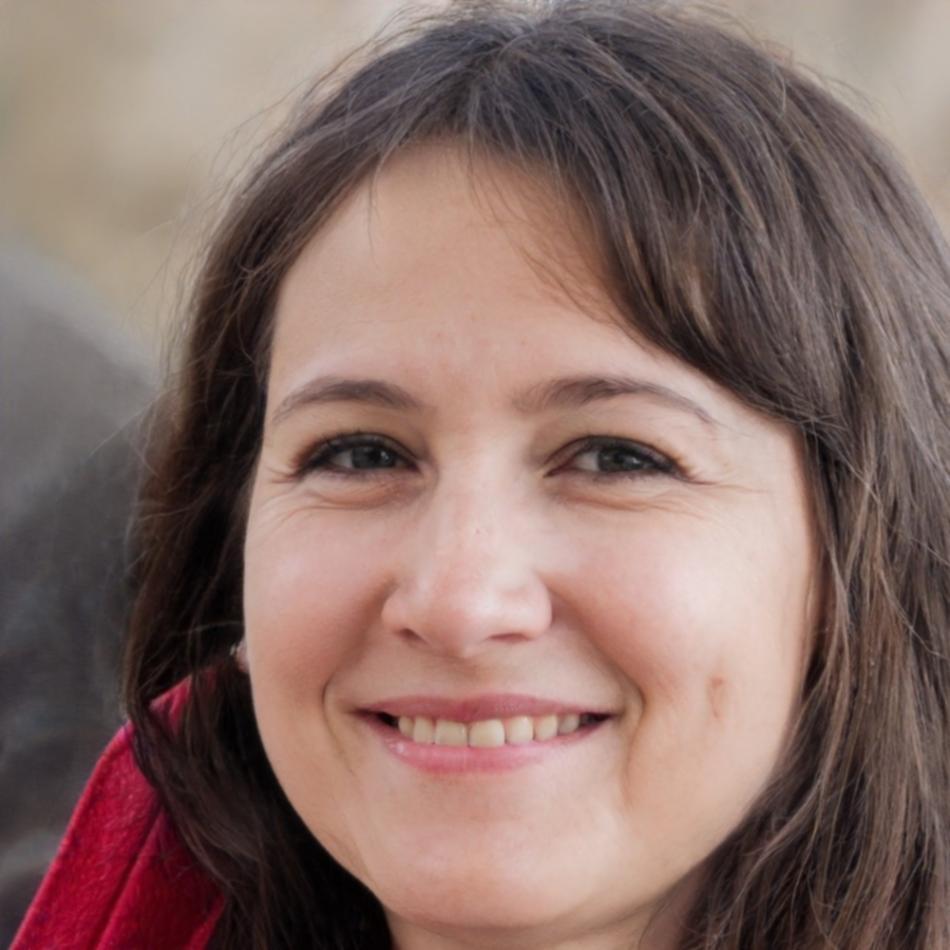
Katja Fjellström
Co-founder and Culinary Director
Spent 15 years in professional kitchens before focusing on education. Specializes in protein cookery and temperature-dependent texture changes. Creates the lesson plans and tests every recipe.
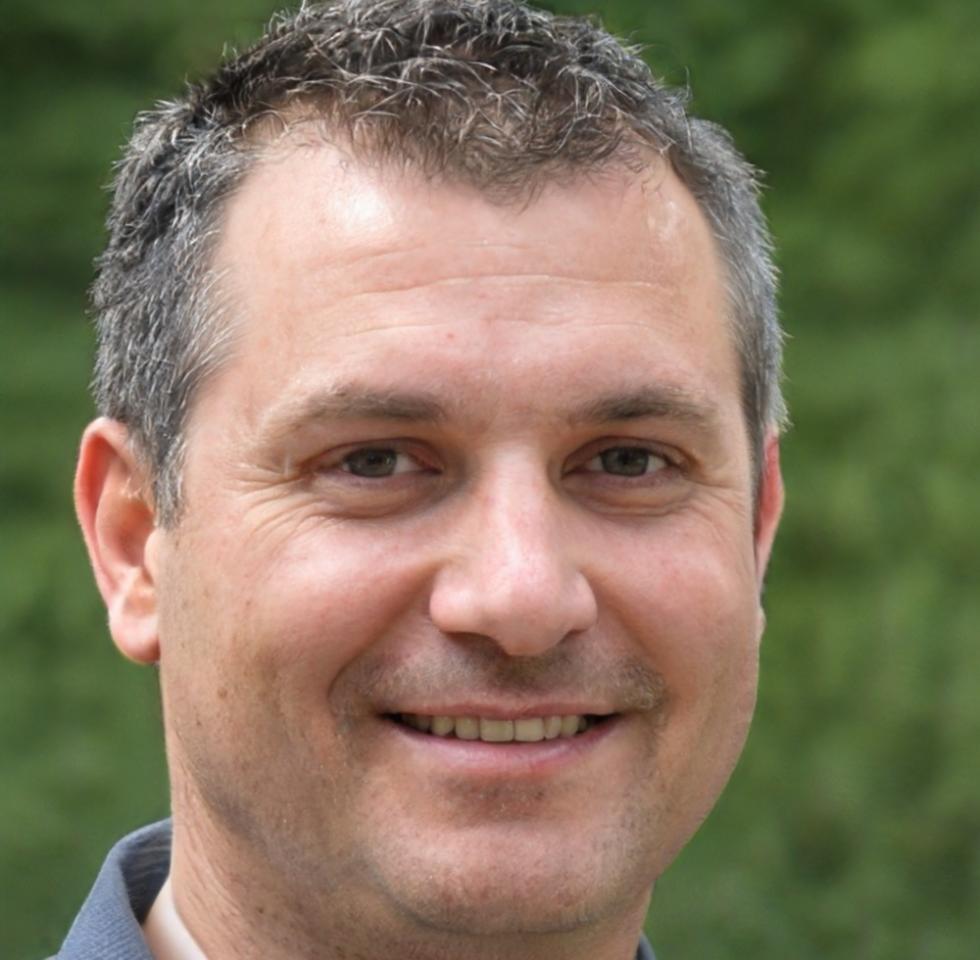
Damian Kovač
Co-founder and Education Coordinator
Former restaurant manager who moved into teaching after realizing how many cooks struggled with precision techniques. Handles course structure, student support, and making complex concepts accessible.